
The EU Talks About International Law — But Only When Convenient
International Law for Some, Silence for Others — The EU’s Growing Credibility Problem

Kaja Kallas, the European Union’s High Representative for Foreign Affairs and Security Policy, recently posted on X:
“Under international law, transit through waterways like the Strait of Hormuz must remain open and free of charge.”
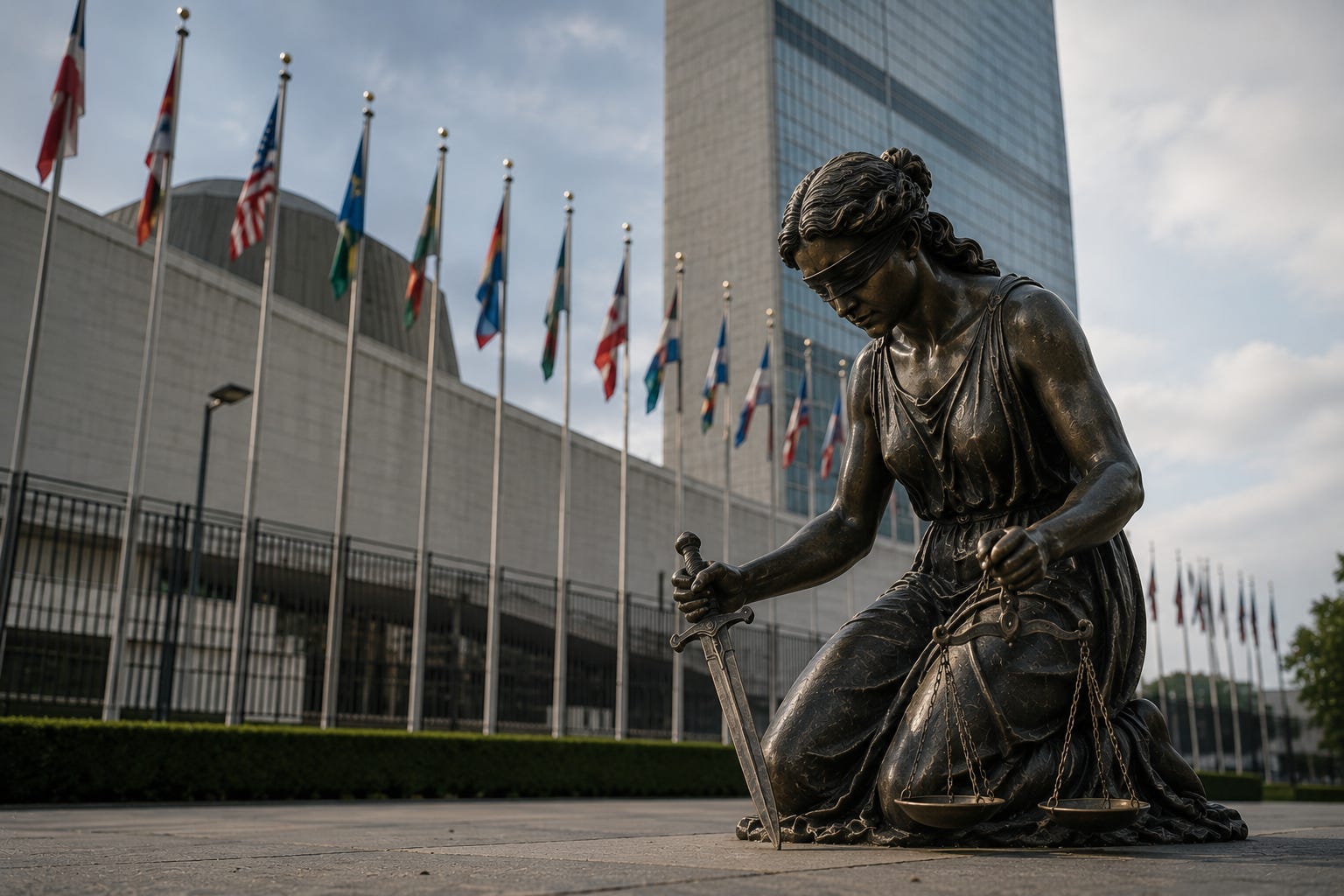
She was correct. International law does require that. The United Nations Convention on the Law of the Sea guarantees transit passage through straits used for international navigation. No state has the right to block them.
But here is the problem.
When it comes to other places - other crises, other violations, other victims - the European Union has nothing to say. The phrase “international law” is nowhere to be found.
This is the problem with cherry-picking international law. You either respect it, or you do not. There is no third option.
THE ARCHITECTURE OF INTERNATIONAL LAW
Let us recall what international law actually is - and why it exists.
The modern international legal order was built from the ashes of the Second World War. In 1945, the United Nations Charter established a framework for peace, security, and human rights. The preamble begins with words that still carry weight: “We the peoples of the United Nations, determined to save succeeding generations from the scourge of war.”
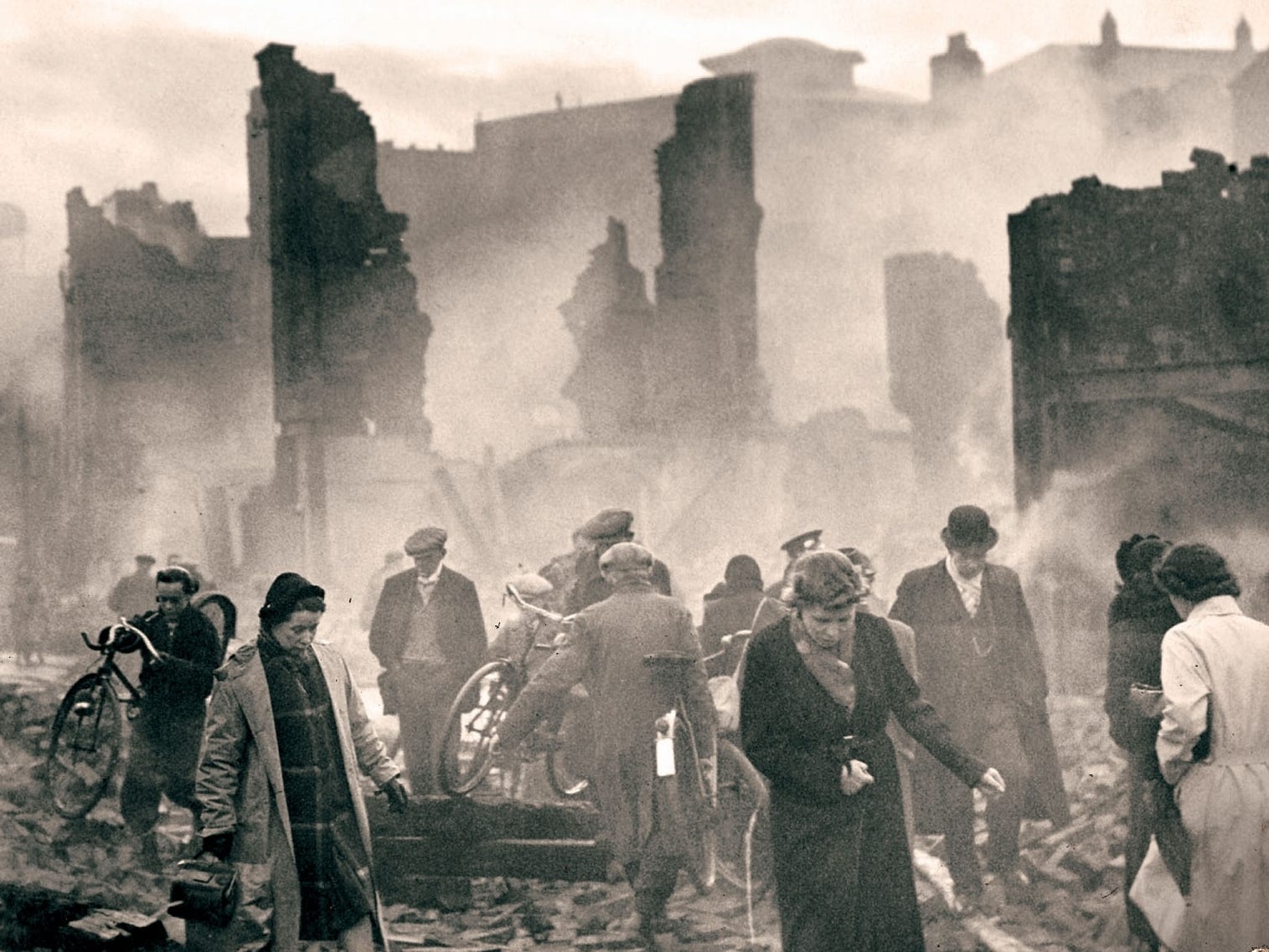
Three years later, in 1948, the Universal Declaration of Human Rights was adopted. It is often called the “Global Bill of Rights.” It affirms the inherent dignity of all members of the human family. It declares that “no one shall be subjected to torture” and that “everyone has the right to life, liberty, and security of person.”
That same year, the Genocide Convention was adopted - the world’s response to the Holocaust. It defined genocide and made it a crime under international law, binding all states to prevent and punish it.
In 1949, the Geneva Conventions were signed. They established the rules of war: the protection of civilians, the treatment of prisoners, and the prohibition of attacks on medical facilities. They are among the most universally ratified treaties in history.
These are not suggestions. They are binding legal obligations. They apply to all states, at all times, regardless of political convenience.
The European Union claims to be its guardian. But its actions tell a different story.
AZERBAIJAN
While Kallas spoke about international law in Brussels, she was preparing for a different kind of engagement.
She travelled in Baku, the capital of Azerbaijan. Her message could not have been more different.
“Azerbaijan is a valued and reliable energy partner for the European Union,” Kallas said.
She did not mention the political prisoners languishing in Azerbaijani jails. She did not mention the prosecution of government critics. She did not mention the torture documented by human rights organizations. She did not mention the absence of freedom of expression, the suppression of independent media, or the denial of freedom of assembly. She did not mention the persecution of LGBT people. She did not mention the conflict-related abuses documented by UN monitors.
Nothing about the topics so dear to EU officials when they speak about other countries. Nothing about the international law, agreements, and conventions that Azerbaijan has violated.
Because, in this case, gas is more important.
THE SILENT CRISES
The pattern is not new.
There is no talk of international law in Gaza, where the International Court of Justice has found it “plausible” that genocide is being committed. Silence from Brussels on Venezuela, where the Maduro regime has crushed dissent and manufactured an election. Nothing on Lebanon, where the population is being displaced, infrastructure destroyed, and territory occupied. Radio silence on the West Bank, where settlement expansion continues in violation of the Fourth Geneva Convention.
But when oil flows through the Strait of Hormuz? Suddenly, the EU remembers the law.
When President Trump threatens to annex Greenland? The EU is quick to invoke international law.
The pattern is clear. International law is not a constraint on EU foreign policy. It is a tool — deployed when convenient, ignored when not.
In March this year, after the United States and Israel started a war against Iran, German Chancellor Friedrich Merz famously said that Iran should not be protected by international law. The argument was that such rules lose their meaning when countries repeatedly violate them.
THE FUTURE TEST
Will Madam Kallas call for international law when, eventually, Cuba is invaded?
Do not hold your breath.
This is not about the nature of these regimes. You can like or dislike the Cuban communist regime, the regime in Iran, Hamas, Hezbollah, or anyone else. That is not the point.
The point is: you cannot cherry-pick international law.
The law does not say “apply only when politically convenient.” It does not say “apply only to adversaries.” It does not say “apply only when oil is not involved.”
It says: all states. All times. All people.
THE STAKE
The European Union claims moral superiority. It speaks of “European values” and “democratic principles.” It presents itself as the guardian of the rules-based international order.
But selective application is not guardianship. It is hypocrisy.
And hypocrisy has a cost.
When the EU invokes international law for Hormuz but stays silent on Gaza, it tells the world that Palestinian lives do not matter. When it cites the UN Charter to defend Greenland but ignores the West Bank, it tells the world that European territory is protected and Palestinian territory is not.
That is not a rules-based order. That is power dressed in legal language.
If the EU continues down this path, it can kiss goodbye to its “moral superiority” and “democratic values.” Because those values are not sustainable when they are applied selectively. The world is watching. And the world has noticed.
THE HISTORY LESSON
International law is not a slogan to be used when convenient.
It is a set of rules painstakingly built after the most destructive war in human history. It has kept us, more or less, out of World War III. It prevented a repetition of the madness and crimes against humanity of the Second World War.
The architects of the post-1945 order understood something that seems to have been forgotten: law without enforcement is merely advice. And selective enforcement is not justice. It is politics.
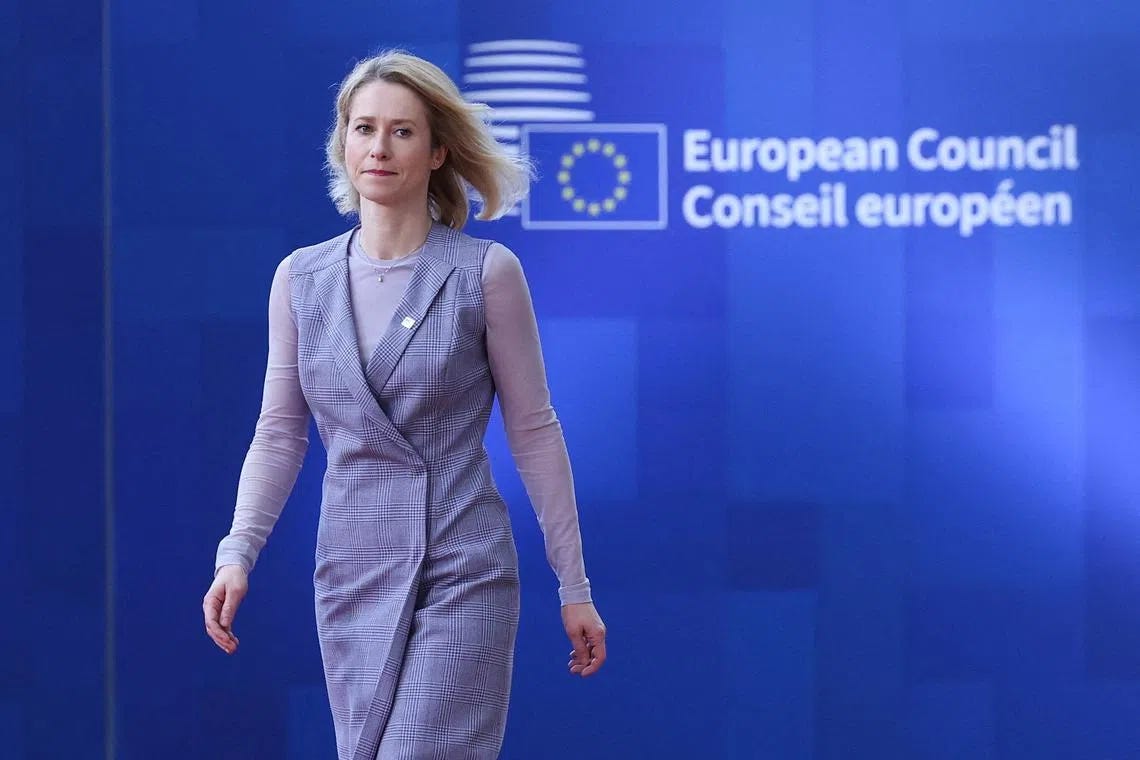
So, Madam Kallas, next time you use the term “international law,” please have some substance.
Do not say it just because it sounds good. Do not use it as a rhetorical weapon against your adversaries while shielding your allies. Do not invoke it when oil flows and ignore it when children die.
International law is not a slogan. It is a promise.
And promises that are applied selectively are not promises at all. They are performances.